Trainwreck wins $4M on first spin—then his IP gets leaked mid-stream
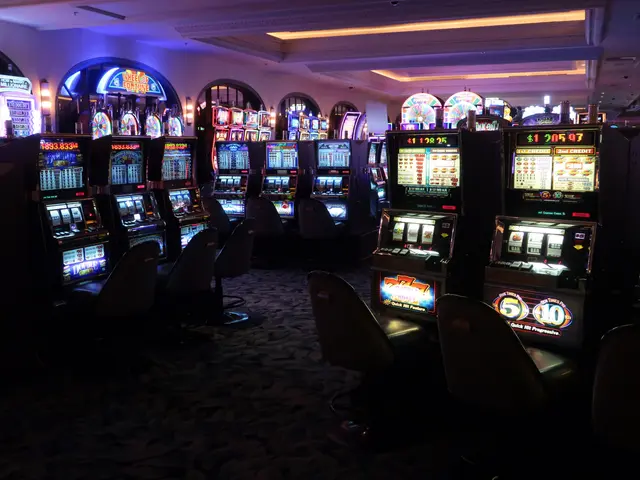
Popular streamer Trainwreck secured a staggering $4 million win on his first spin of Mental 2 at Stake casino. The victory came after placing a total wager of $266,640, using a high-risk betting strategy. His reaction was one of pure euphoria, though the night took an unexpected turn later on. Trainwreck’s massive payout resulted from a 100,000x multiplier on his opening spin. He had used the $240 Nolimit Booster ‘God Mode’ on each of his $40 baseline bets, a feature designed to chase the max win by landing an xGOD symbol on all reels. Before hitting the jackpot, he admitted the move was risky but joked he would be ‘back’ if it paid off.
After the win, his friend urged him to ‘go to bed’—advice that soon seemed wise for another reason. Hours later, Riot Games’ director of anti-cheating, Phillip Koskinas, leaked Trainwreck’s IP address online. The streamer immediately turned off his broadcast, citing safety concerns. The incident followed an earlier controversy: Trainwreck had received a ban from Riot Games for alleged account boosting in *Valorant*. The timing of the IP leak raised further questions about his ongoing disputes with the company.
Trainwreck’s $4 million win stands as one of the largest single-spin payouts in recent casino streaming history. The night’s events, however, were overshadowed by the leak of his personal data, adding another layer of drama to his high-stakes gambling session. The fallout from the ban and the IP exposure remains unresolved.
Read also:
- Disney Unveils MagicBand+ and 'Hey Disney!' for a Tech-Powered Summer Adventure
- Beaverbrooks smashes records with 64% sales surge and luxury brand launch
- How Maryam’s Story in the Quran Shaped One Woman’s Faith and Motherhood
- Free Gaelic Children’s Bible Brings Language and Faith to Life Across Scotland