Two Digital Art Platforms Redefine How We Experience and Learn About Art
Two digital art platforms have been shortlisted for this year's Digital Innovation in Art Award. Fair Art Fair and ArtCentrica are recognised for transforming how people engage with and learn about art. Both services use technology to connect audiences with artists and artworks in new ways.
Fair Art Fair launched as a web-based app designed to reignite passion for art. The platform acts as a meeting point for artists and enthusiasts, offering a transparent space for discovery and support. Since its October debut, the app has gathered over 40,000 impressions on the app store, with nearly 5,000 downloads. A fifth of users converted to paid subscriptions, generating close to £40,000 in revenue.
Surveys commissioned by the platform reveal strong interest in its model. Around 24% of respondents in the UK—equivalent to 4.7 million people—said they would consider subscribing. The company has not released further details on subscription growth or regional uptake since its launch.
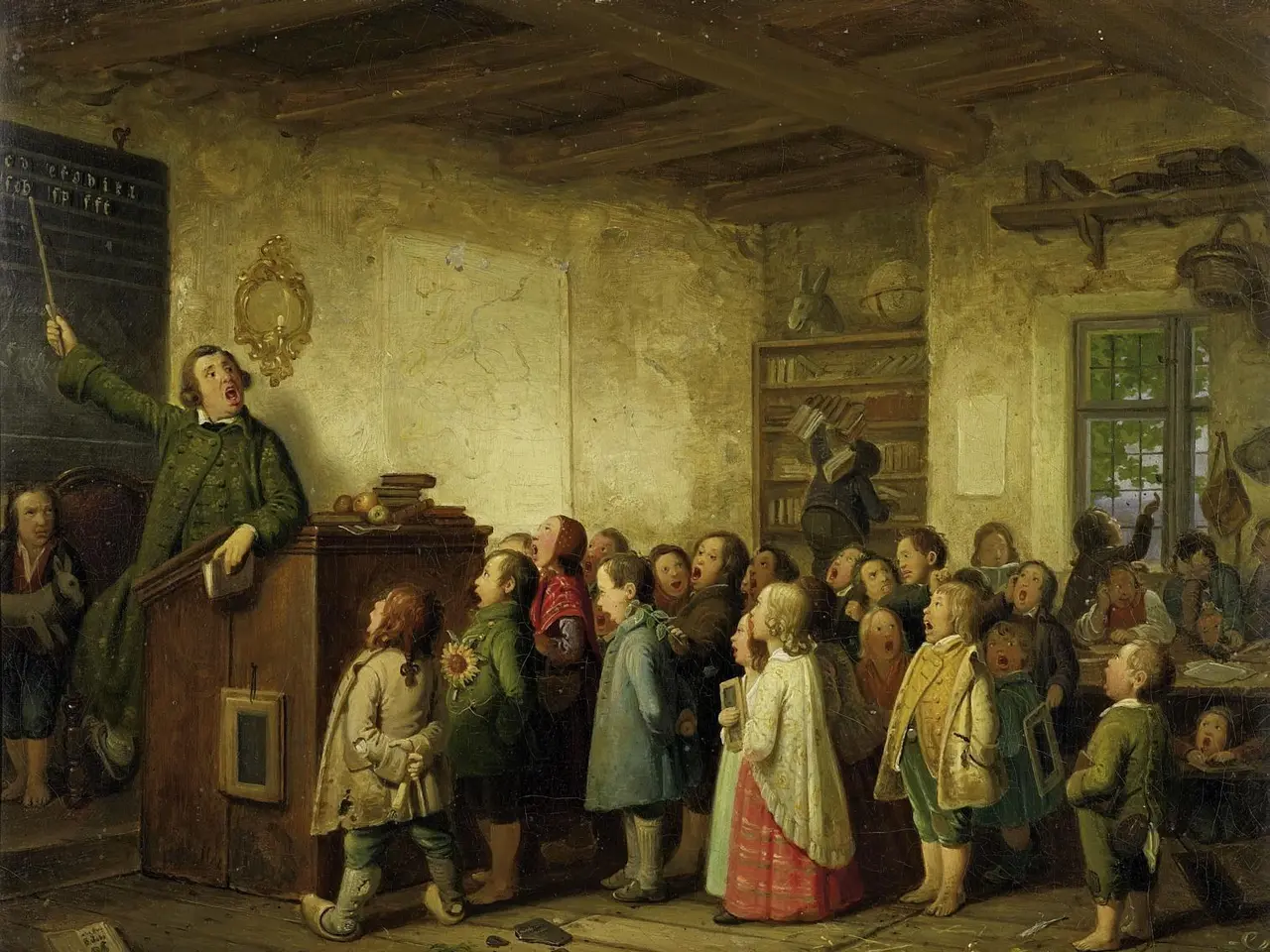
Meanwhile, ArtCentrica takes a different approach by focusing on education. The cloud-based service provides high-resolution images of artworks from museums worldwide, enabling active learning in classrooms. Its methods have been adopted by schools across Italy, Mexico, Paraguay, and even by National Geographic. The platform's impact has also drawn media attention, with features in the New York Times, Financial Times, and business publications in Hong Kong and Nigeria.
The nomination highlights how both platforms are reshaping access to art. Fair Art Fair builds direct connections between creators and audiences, while ArtCentrica enhances art education through digital tools. The award outcome will reflect their contributions to the evolving intersection of art and technology.
Read also:
- Harburg’s Three Kings’ Action unites for children and the Amazon in 2024
- Going West: Enforcement Edge Is Live From San Francisco For The ABA White Collar Crime Conference
- Vienna and Copenhagen Again Top the World’s Most Livable Cities in 2024
- Global events honor the Baltic Way’s 35th anniversary of peaceful protest