Tom Dwan's legendary bluff secures poker's most infamous high-stakes hand
Tom Dwan has long been known for his bold poker plays, and one of his most famous hands came against Peter Eastgate and Barry Greenstein. The hand involved a daring bluff that forced both opponents to fold, despite Dwan holding a weaker hand. This moment remains one of the most talked-about in televised poker history.
The hand began with Dwan raising pre-flop with Q♣10♣. The flop came 10♥2♣2♠, giving him middle pair. Both Eastgate and Greenstein called his bet, setting up a large pot.
On the 7♦ turn, Dwan pushed all-in with a bet of $104,200 into a $133,500 pot. Despite holding only a weak pair, he later admitted he was 90% sure Eastgate had the best hand. His confidence came from recent wins against Eastgate and a strong read on his opponent's cautious style.
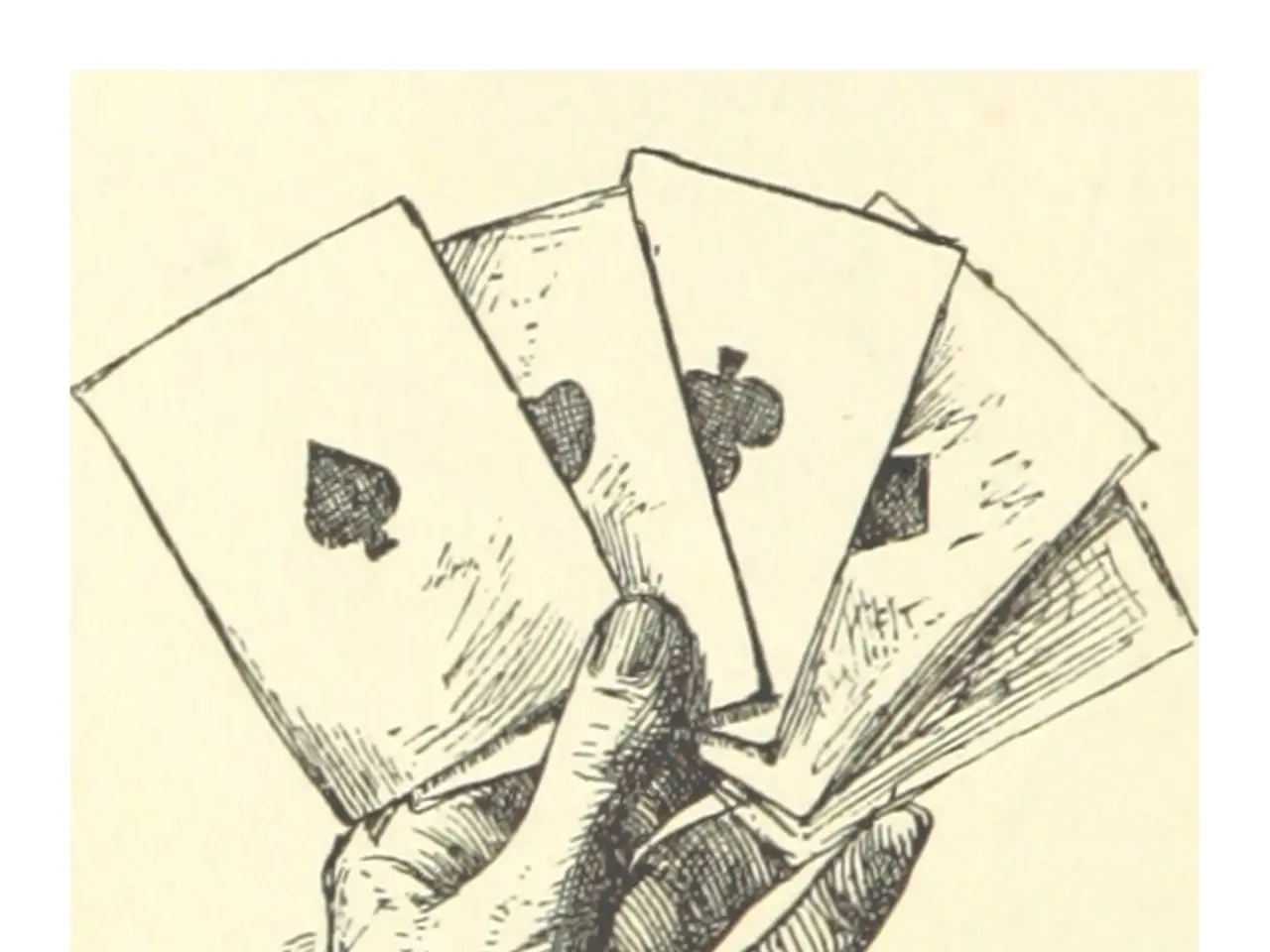
Eastgate, who had won the 2008 WSOP Main Event for $6.3 million, folded with 4♥2♦—a better two-pair. Greenstein, holding A♥A♠, also laid down his overpair. Dwan's bluff succeeded, securing the largest televised cash game pot in poker history.
Dwan later called the flop raise a 'weird play' but believed the turn bluff was profitable. His aggressive approach in high-stakes games has cemented his reputation as one of poker's most fearless players.
The hand remains a defining moment in Dwan's career, showcasing his ability to outmanoeuvre even the strongest opponents. Eastgate, who retired from poker in 2010, never returned to high-level play, while Dwan's legacy as a high-stakes specialist continues. The bluff stands as a prime example of psychological skill in poker.
Read also:
- Winter Fly-Fishing in Big Sky Tests Limits and Rewards Bravery
- New book equips teachers to confront misinformation in heated classroom debates
- Black Friday aviation deals take off with model kits, flights and rare collectibles
- Going West: Enforcement Edge Is Live From San Francisco For The ABA White Collar Crime Conference