
The Dead Man’s Hand: Poker’s Most Infamous Two-Pair Legacy
The dead man’s hand remains one of poker’s most famous combinations. It consists of two black aces and two black eights, linked to a legendary moment in Wild West history. This hand still carries weight at the table today, blending strategy with superstition.
The name comes from the death of James Butler 'Wild Bill' Hickok. In 1876, he was shot in the back while playing poker in Deadwood, South Dakota. Witnesses claimed he held two black aces and two black eights when he died, though the fifth card was never confirmed.
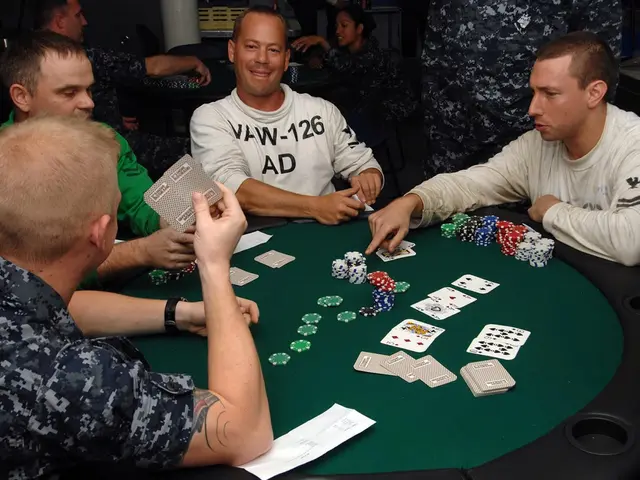
At the poker table, the dead man’s hand plays like any other two-pair. Its strength depends on the board, opponents’ moves, and how players react to its reputation. Some may see it as unlucky, while others use its history to their advantage. Mastering strategy with this hand means playing cautiously. Watching the board, controlling the pot size, and spotting bluffs become even more important. Position and timing also matter—knowing when to fold can save chips. The hand’s notoriety can make opponents hesitate, giving a sharp player an edge. Beyond poker, the dead man’s hand has entered Western culture. It often symbolises bad luck, danger, or even death. Films, books, and games reference it, keeping the legend alive long after Hickok’s time.
The dead man’s hand ties poker to Wild West lore. Players still encounter it in games, where its mix of strategy and superstition can shape decisions. Whether seen as a warning or just another two-pair, its place in history remains unshaken.
Read also:
- Winter Fly-Fishing in Big Sky Tests Limits and Rewards Bravery
- New book equips teachers to confront misinformation in heated classroom debates
- Black Friday aviation deals take off with model kits, flights and rare collectibles
- Going West: Enforcement Edge Is Live From San Francisco For The ABA White Collar Crime Conference