Russia’s Arctic Islands Hide Billions in Gold, Zinc—and Mammoth Ivory
Russian researchers have uncovered vast mineral resources across Arctic islands and archipelagos, marking a potential shift in industrial development. Between 2012 and 2016, a large-scale project gathered extensive seismic data using nuclear-powered vessels, revealing deposits of gold, lead-zinc ores, and even mammoth ivory. Meanwhile, separate studies in the Black Sea have highlighted unusual bacterial activity near sunken tankers, raising questions about environmental risks in vulnerable regions.
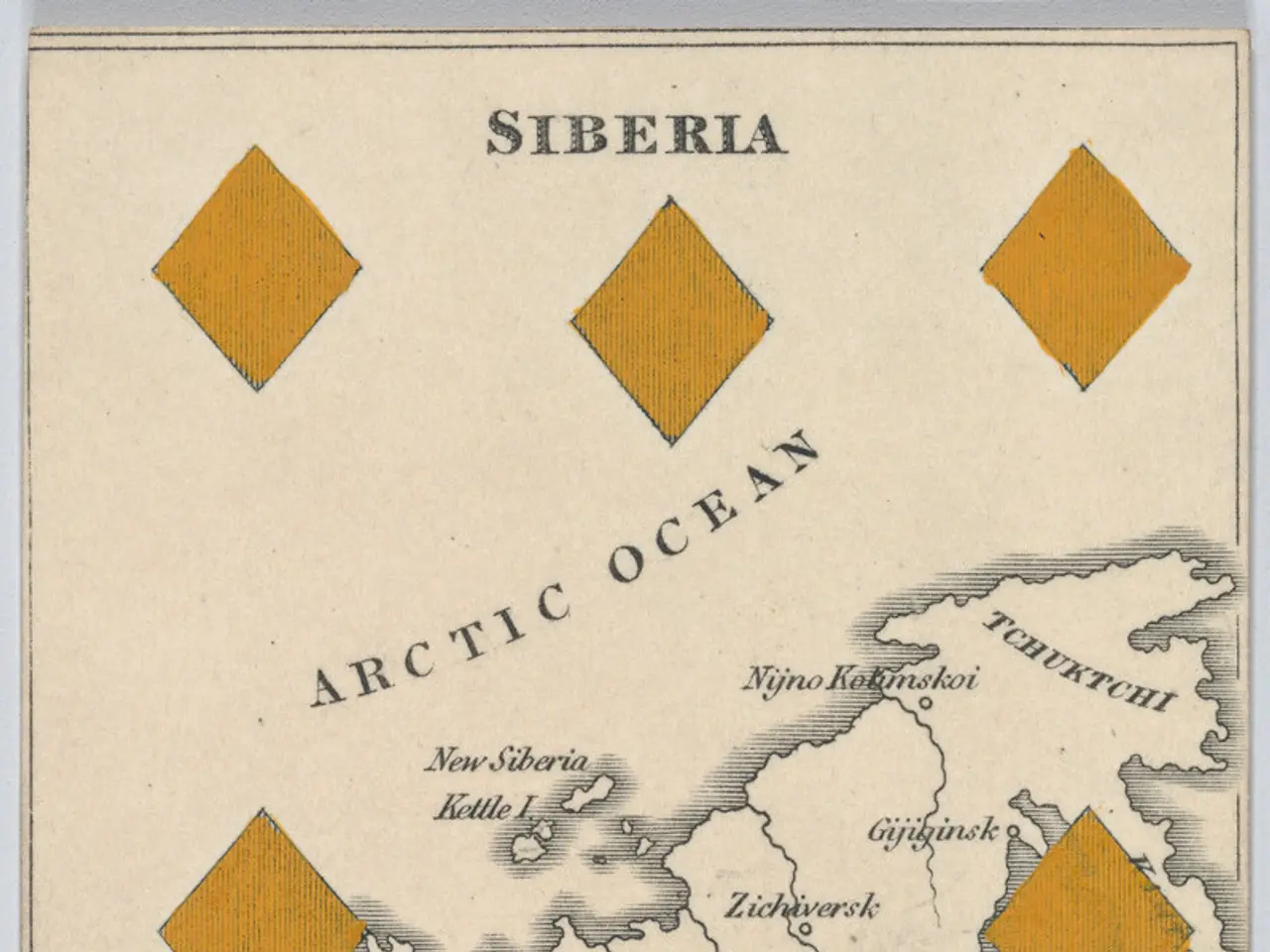
The Arctic Ocean Mega Project (AOMP) spent four years surveying remote Arctic territories. Teams aboard nuclear icebreakers and a research submarine collected over 23,000 km of 2D seismic data and 4,000 km of wide-angle refraction data. Their findings pointed to Nova Zemlya, Severnaya Zemlya, and the New Siberian Islands as key areas for future mining operations.
Scientists from VNIIOkeangeologia now propose turning these archipelagos into mineral resource hubs. The regions hold significant lead-zinc and gold deposits, alongside rare accumulations of mammoth ivory. The Northern Sea Route would serve as the main transport link, connecting these sites to global markets. Yet environmental concerns remain. In a separate study, researchers detected unprecedented levels of oil-degrading bacteria in the Black Sea near wrecked tankers. Such discoveries underscore the need to balance industrial expansion with the protection of fragile Arctic ecosystems.
The Arctic’s mineral wealth presents major economic opportunities, particularly along the Northern Sea Route. However, any development must weigh the risks to the region’s unique environments. With oil-degrading bacteria already active near maritime hazards, careful planning will be essential before large-scale projects proceed.
Read also:
- Harburg’s Three Kings’ Action unites for children and the Amazon in 2024
- Going West: Enforcement Edge Is Live From San Francisco For The ABA White Collar Crime Conference
- Vienna and Copenhagen Again Top the World’s Most Livable Cities in 2024
- Global events honor the Baltic Way’s 35th anniversary of peaceful protest