New Manifesto Demands Dignity and Consent in Migration Technology Governance
A new manifesto is calling for major changes in how migration technologies are developed and governed. The Migration and Technology Monitor (MTM) has released a set of demands focused on dignity, consent, and community leadership. Their approach challenges the usual top-down methods that often exclude the very people most affected by these systems.
The MTM Manifesto argues that current migration control technologies frequently cause harm because affected communities are left out of decision-making. When policies are shaped without their input, systems can be poorly designed, misused, or even dangerous. The manifesto insists on binding safeguards, full transparency, and the right for communities to reject harmful technologies.
The principles outlined in the manifesto grow from participatory methodologies—approaches that start with the real-life experiences and political aims of marginalised groups. A core idea is 'nothing about us without us,' meaning those impacted must lead the research and set the terms. This contrasts sharply with traditional, western-centric models where outside experts dictate solutions.
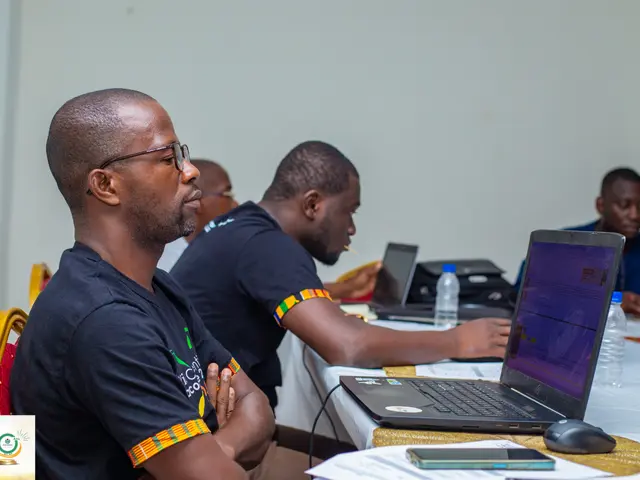
At the Nairobi Gathering, discussions highlighted the real-world effects of migration technologies and their human costs. The event reinforced the need for methods that centre community knowledge and resistance. When done properly, these approaches produce more accurate, ethical, and practical solutions.
For policymakers, the message is direct: affected communities must have a real say in shaping migration technologies. Impact assessments should also address racial and geopolitical harms that often go unchecked.
The MTM Manifesto presents both a critique and a roadmap for fairer technology governance. It calls for systems rooted in accountability, consent, and the leadership of those most affected.