Manhattan's Beaux-Arts Bank Reborn as a Vibrant Asian American Cultural Hub
A historic Beaux-Arts bank building in Manhattan's Chinatown has reopened as a new cultural hub. The Wang Contemporary (TWC), now owned by fashion designer Alexander Wang and his mother, Ying Wang, marks the first time in over a century that the building is Chinese American-owned.
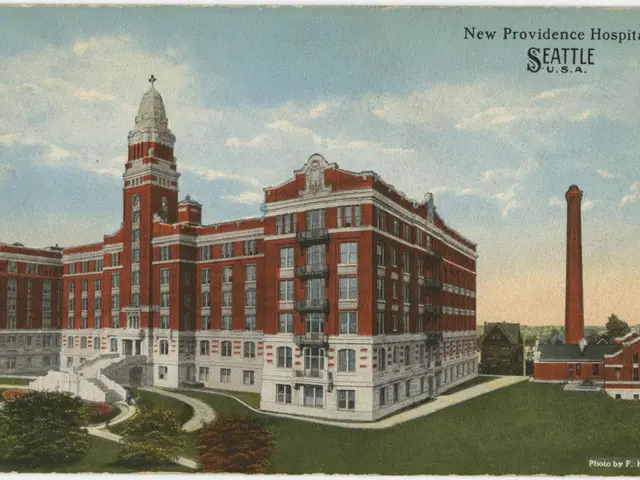
The iconic domed building at 58 Bowery was purchased by the Wang family in spring 2025 for around $10 million. Once a bank with grand arches inscribed with 'wisdom', 'security', 'savings', and 'success', it has been reimagined as a space for exhibitions, performances, and public events.
Ying Wang, a first-generation entrepreneur from China's post-reform era, has long focused on cultural projects. In 2022, she developed VIA 1221, an arts centre in a former Shanghai toy factory. Now, alongside her son, she has launched TWC to showcase Asian and Asian American creativity.
The centre's first exhibition, '20,000 Variations on a Paper Airplane in Flight' by MSCHF, opened on February 20. Some programs will remain free, aligning with TWC's mission to make art accessible. Alexander Wang, who founded his fashion label in 2005 after studying at Parsons, brings his design background to the project.
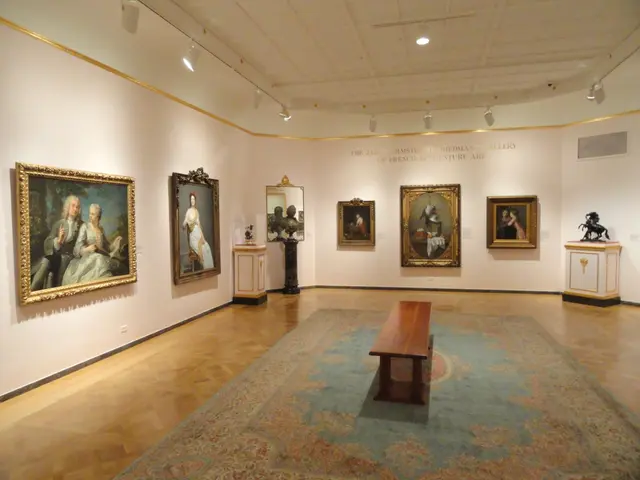
The Wang Contemporary now stands as a cultural landmark in Chinatown. Its mix of exhibitions, performances, and public programs aims to support Asian and Asian American artists. The building's transformation reflects both its historic roots and a new chapter in its story.
Read also:
- Disney Unveils MagicBand+ and 'Hey Disney!' for a Tech-Powered Summer Adventure
- Beaverbrooks smashes records with 64% sales surge and luxury brand launch
- How Maryam’s Story in the Quran Shaped One Woman’s Faith and Motherhood
- Free Gaelic Children’s Bible Brings Language and Faith to Life Across Scotland