Las Vegas' Golden Mirage Windows Were Never Real Gold—Here's the Truth
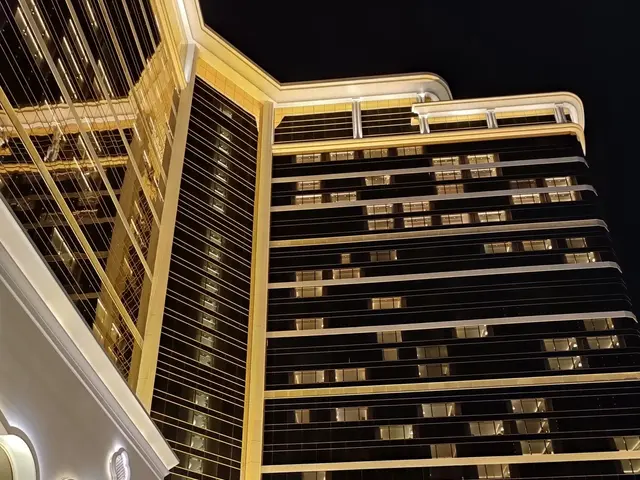
The famous gold-tinted windows of The Mirage in Las Vegas were never coated with real gold. For decades, rumours claimed the glass contained 18-karat gold, but a closer look reveals the truth behind the shimmering façade. The story began with a misleading press release—and a clever cost-cutting trick by Steve Wynn himself.
The myth started in 1990 when Steve Wynn's Golden Nugget Inc. issued a press release describing the windows as '18 karat gold-glazed.' In reality, the glass was treated using magnetron sputtering, a process where plasma gas blasts metal atoms onto the surface in a vacuum. Instead of expensive gold, Wynn opted for metal oxides, which created the same golden effect at a fraction of the cost.
Using real 18-karat gold would have cost around $150,000 in 1988-89 (about $390,000 today). The actual value of genuine gold windows would have reached hundreds of millions. The Mirage's glass, however, relied on a specialised reflective film that also improved heat rejection and energy efficiency. The myth was first debunked by Vital Vegas, not Casino.org, which later revisited the claim in its *Vegas Myths Busted* series. Readers can suggest other local legends for investigation via email. The salvaged windows, now proven to contain no gold, hold no monetary value—putting an end to the decades-old tale.
The Mirage's golden windows were always a clever illusion, not a luxury expense. By using metal oxides instead of real gold, Steve Wynn achieved the same dazzling look while saving millions. The debunked myth now joins other Las Vegas legends that turned out to be far less glamorous than they seemed.