
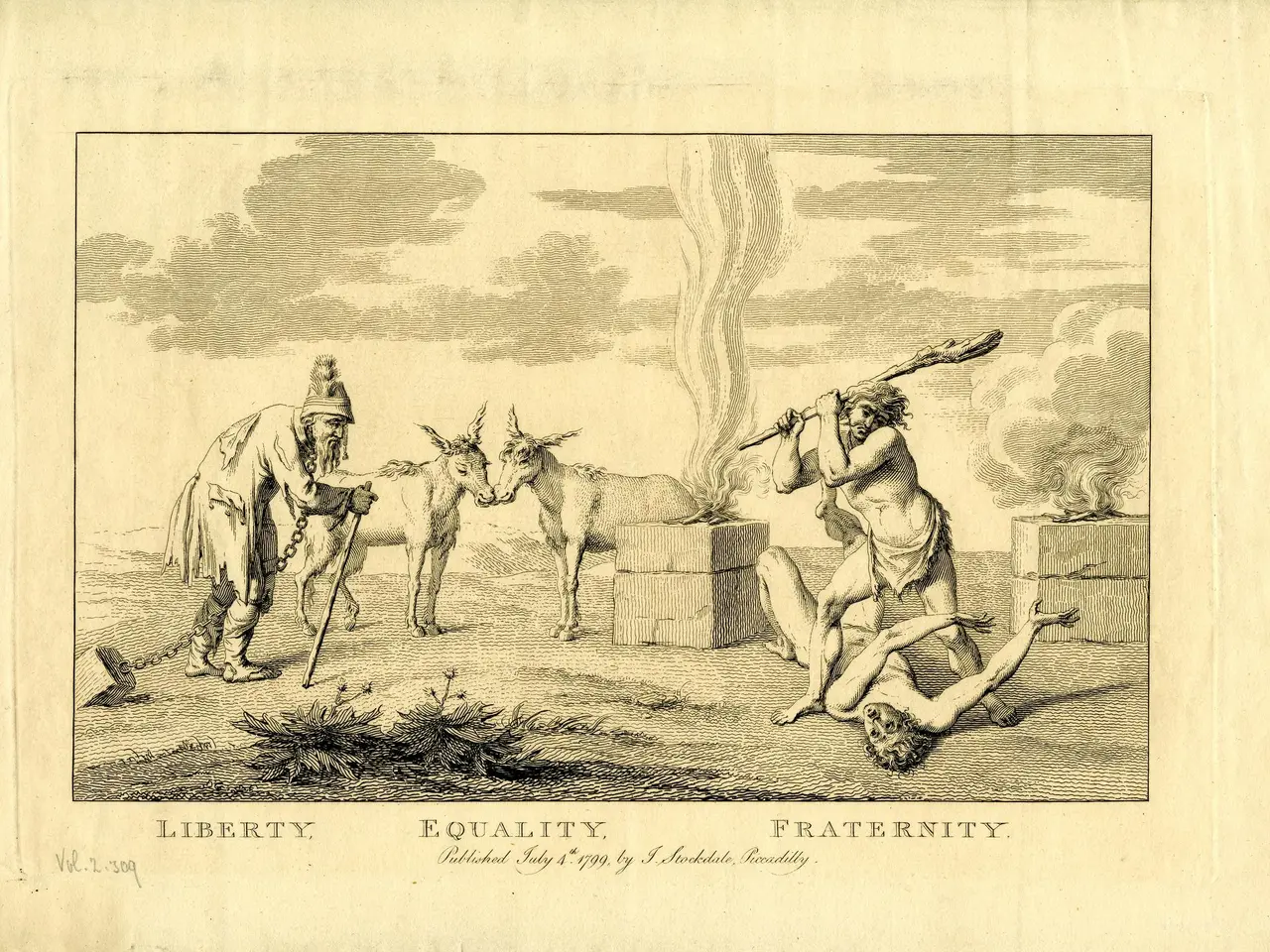
India's Constitution Balances Liberty, Equality, and Social Order
The principles of justice, equality, liberty, and fraternity form the bedrock of India's democratic framework. These ideals are enshrined in the Preamble of the Constitution, which envisions a secular and socialist republic. At the same time, the balance between individual freedom and social responsibility remains a key challenge in maintaining order.
The concept of equality has deep roots in Indian tradition, with ancient texts like the Rigveda and Manu Smriti containing verses that promote fairness. The Preamble of the Indian Constitution further reinforces this by aiming to create an egalitarian society governed by the rule of law. This legal framework is designed to reflect social resilience and ensure justice for all.
The Universal Declaration of Human Rights also declares that every person is born free and equal in dignity. Yet, freedom cannot exist without structure—individual liberty must coexist with social control. Law serves as a tool for social engineering, helping citizens while upholding human rights. While liberty is essential, it must operate within legal boundaries. Restrictions are necessary to protect society, but they should not completely suppress personal freedoms. The essence of civil liberty lies in preserving individual rights while respecting collective well-being.
India's constitutional vision emphasises a society where law and liberty work together. The rule of law must support both human rights and social harmony. Achieving this balance remains central to the country's democratic values.