How US civil forfeiture laws let authorities seize cash without charges
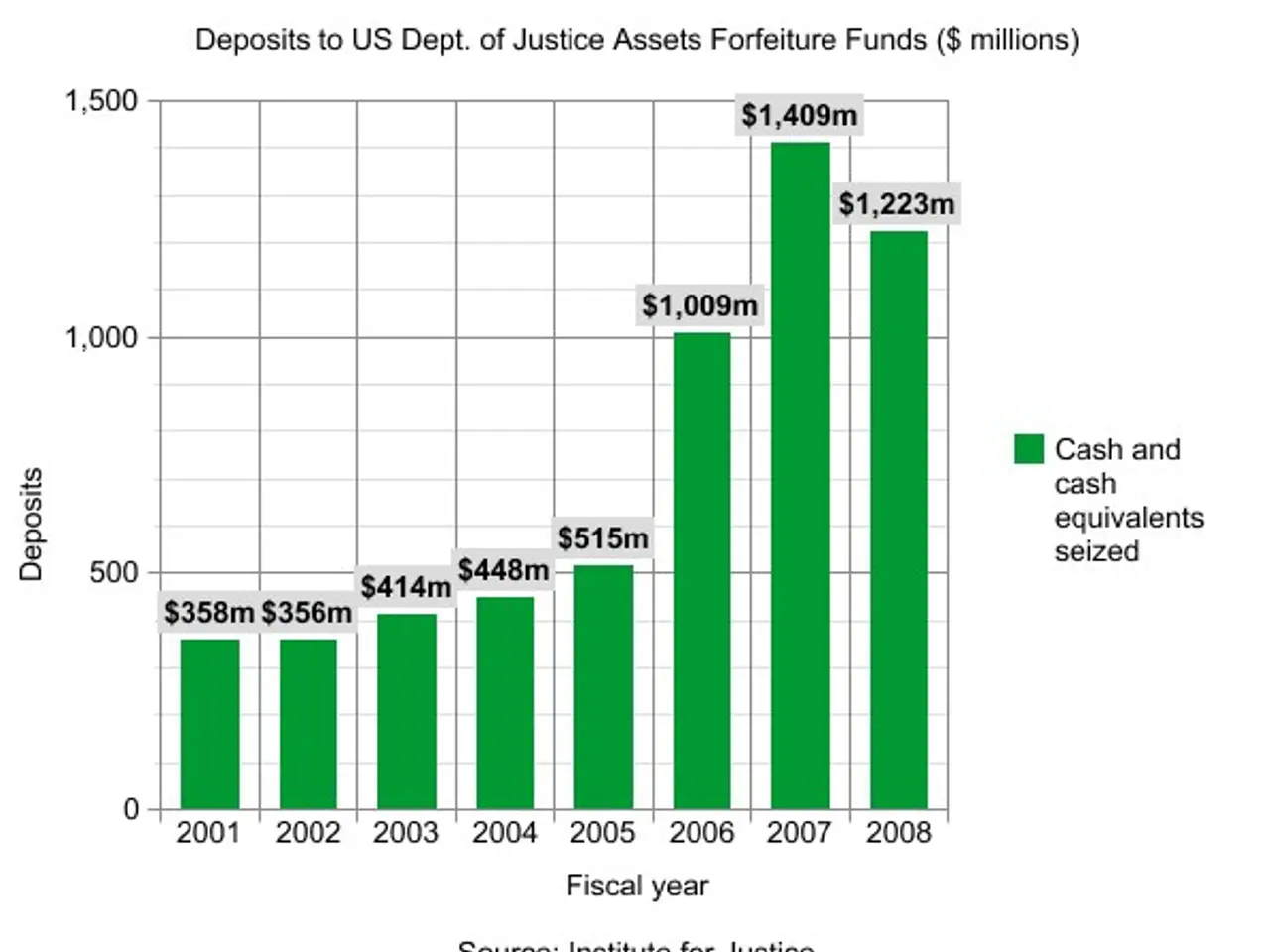
Civil forfeiture laws in the US continue to draw criticism for their potential misuse. These laws allow authorities to seize property—including cash—without pressing criminal charges. Critics argue they can unfairly target innocent travellers carrying large sums of money.
In 2016, a Florida couple, Stacy Jones and her husband, had $43,000 confiscated by DEA agents at an airport. They were travelling to a casino reopening in North Carolina when security questioned them about the cash in their carry-on. The agents seized the money, suspecting it was linked to drugs, despite the couple insisting it came from a car sale and gambling.
That same year, two poker players won a key legal battle against Iowa after their $100,000 bankrolls were taken during a warrantless search. Authorities had no evidence of wrongdoing, yet the cash was seized under civil forfeiture rules. While carrying large amounts of cash is legal in the US, sums over $5,000 can trigger scrutiny. Civil forfeiture laws permit seizures even when no crime is proven, raising concerns about violations of Fourth and Fifth Amendment protections.
No documented cases of DEA cash seizures have emerged since 2016, leaving questions about how often such incidents occur. The lack of recent data means no clear trends exist on who is most affected. For now, the legal battles of past cases remain pivotal in debates over civil forfeiture reforms.
Read also:
- Harburg’s Three Kings’ Action unites for children and the Amazon in 2024
- Going West: Enforcement Edge Is Live From San Francisco For The ABA White Collar Crime Conference
- Vienna and Copenhagen Again Top the World’s Most Livable Cities in 2024
- Global events honor the Baltic Way’s 35th anniversary of peaceful protest