How automation is reshaping jobs and profits on the Las Vegas Strip
The Las Vegas Strip has changed dramatically over the past few decades, both in appearance and in how its casinos operate. Technology now plays a far bigger role, cutting the number of workers needed while boosting the productivity of those who remain. But these shifts have also sparked concerns among employees, leading to protests and new contract demands. In 1990, gaming staff made up 32% of the Strip's workforce. Today, that figure has dropped to just 23%. Automation has taken over many tasks, from check-ins to slot machine monitoring, reducing the need for human intervention. Yet the workers who remain are far more productive—each gaming employee now generates 158% more revenue annually than in 1990.
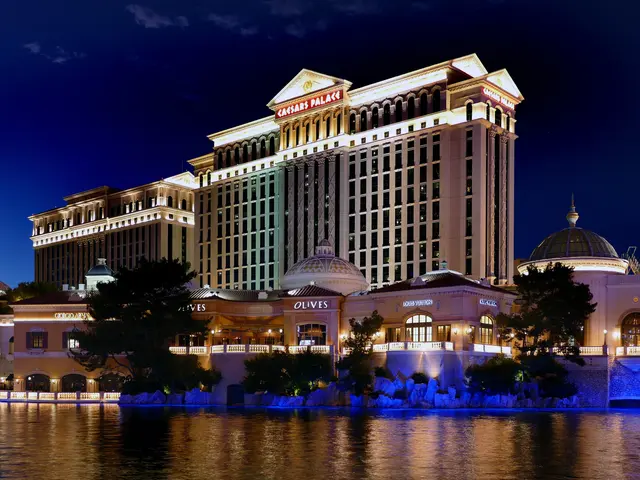
The changes haven't come without resistance. The Culinary Union, representing thousands of casino workers, staged protests during recent contract talks. Their concerns centred on job security as machines replaced roles once done by people. Eventually, they secured an agreement with Caesars Entertainment that included protections against automation-related layoffs. Beyond staffing, the Strip's casinos have faced other challenges. Revenue fell by 5.8% in July 2018 compared to the previous year. Hotel occupancy also dipped, dropping by 2.6% in June and 3.2% in July of the same year. Meanwhile, the cost of employing workers has surged by 118% since 1990, adding pressure to casino budgets. The Strip itself is almost unrecognisable from past decades. No other four-mile stretch in America undergoes as much constant aesthetic transformation, with buildings demolished and rebuilt in waves. What was once a mid-century desert playground now gleams with futuristic resorts and digital attractions.
The shift toward automation on the Las Vegas Strip shows no signs of slowing. Casinos continue to invest in technology to cut labour costs and improve efficiency. For workers, the new contract protections offer some security, but the long-term impact on jobs remains uncertain. The Strip's ever-changing skyline now reflects deeper changes in how the city's economy—and its workforce—operates.
Read also:
- Dollar Shave Club rolls out deodorant as it expands beyond razors
- Harburg’s Three Kings’ Action unites for children and the Amazon in 2024
- Going West: Enforcement Edge Is Live From San Francisco For The ABA White Collar Crime Conference
- Vienna and Copenhagen Again Top the World’s Most Livable Cities in 2024