From Stone Age to 5G: A Novel Chronicles the Dulong People's Extraordinary Journey
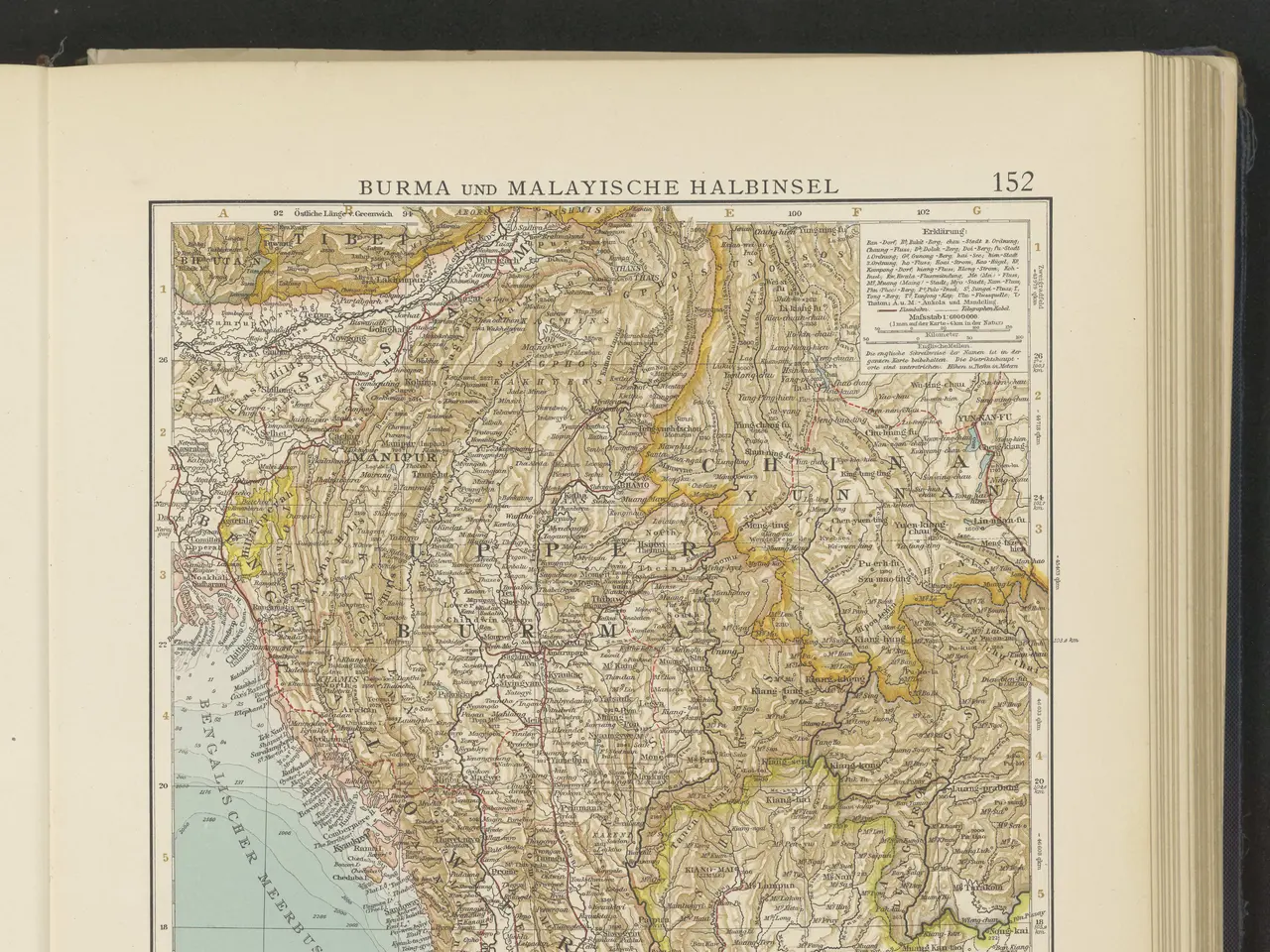
A new novel titled The Sparkling Stars explores the extraordinary transformation of the Dulong people, a once-isolated ethnic group in Yunnan Province. Written by Duan Aisong, the book traces their journey from a Stone-Age society to a modern community with 5G, paved roads, and electricity. The story unfolds through the eyes of Nanmusa, a young shaman-in-training, against the backdrop of China's post-1949 development efforts.
The Dulong people's path to modernity began after the founding of the People's Republic of China in 1949. Their name, 'Dulong,' was personally bestowed by late Premier Zhou Enlai in the 1950s, symbolising the country's commitment to ethnic equality. Early reforms included the 1951 peaceful liberation, which abolished slavery and debt bondage, followed by land redistribution in the 1960s.
Infrastructure in Dulongjiang Township evolved dramatically over the decades. By the 1960s, electricity arrived, and by 2010, the area was fully grid-connected. The completion of the Dulong Road in 2010 linked the remote region to Gongshan, replacing isolated mountain trails. Schools, hospitals, and hydropower stations were built, while poverty alleviation programmes eradicated absolute poverty by 2019. Between 2020 and 2021, 2,678 households moved from cliffside dwellings to modern homes in new villages like Dongzhu, gaining better access to education, healthcare, and economic opportunities.
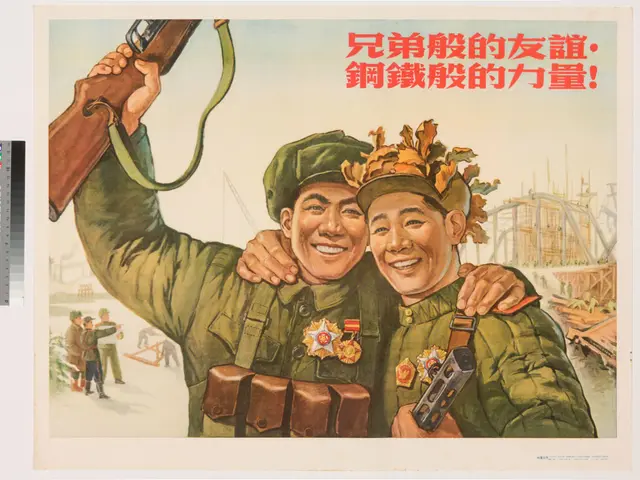
The Sparkling Stars draws from real-life accounts of soldiers, doctors, teachers, and officials who aided the Dulong people. Duan Aisong conducted extensive research, interviewing elders and studying archives to capture their story. The Dulong people now refer to these helpers as 'bringers of light,' expressing deep gratitude for their role in the community's progress.
Today, the Dulong people live in modern homes with electricity, attend schools, and access 5G networks. Their transition from a primitive society to a socialist and then modern way of life reflects China's broader vision for a shared future. The novel serves as a record of this transformation, rooted in decades of policy changes and grassroots efforts.