Ecuador's EV Charging Expansion Stalled by Outdated Energy Rules
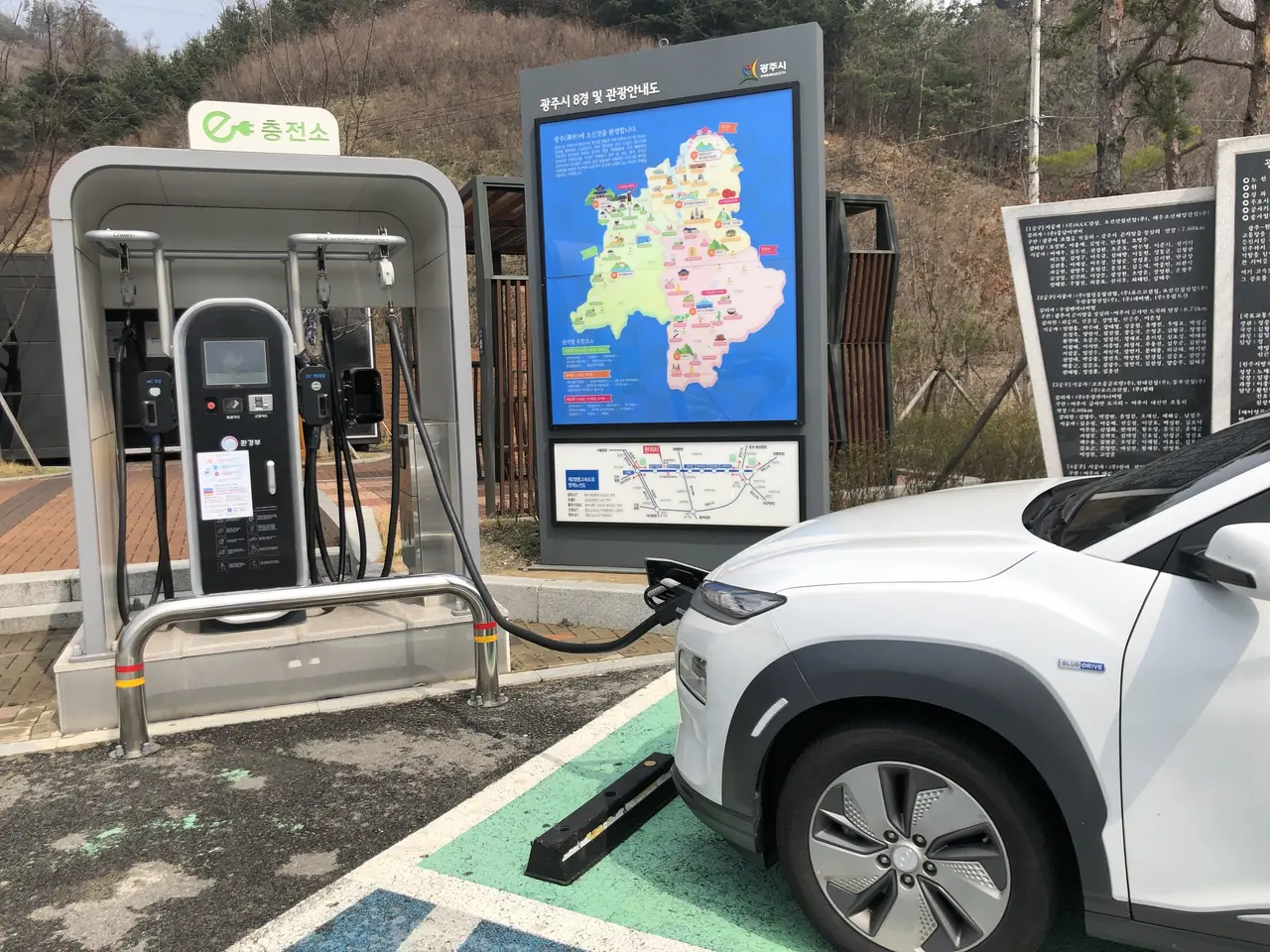
Ecuador's push for electric vehicle charging infrastructure has hit a regulatory gap. Current laws only recognise 50 kW fast chargers, leaving out smaller 20 kW models that could expand networks beyond major cities. Experts warn this oversight is slowing progress and making mid-range chargers financially unviable.
The issue stems from Ecuador's energy regulations, which explicitly cover only 50 kW DC fast chargers. This exclusion means 20 kW chargers—faster than standard AC units but slower than high-power stations—fall into a legal blind spot. Without clear rules, operators face tariffs designed for larger chargers, creating unfair costs for lower-capacity systems.
The private sector has raised concerns about the impact on expansion. Mevo Mobility, a key player in the market, argues that 20 kW chargers are ideal for broadening access, particularly in smaller towns. However, installing them remains operationally unsustainable without adjusted tariffs or incentives.
Patricio Andrade, a representative of Mevo Mobility, has proposed changes to energy policy. His suggestions include revising demand charges based on actual consumption and updating contracts with distribution companies. The goal is to align costs with the growth of charging infrastructure, making it easier to deploy chargers in shops, offices, and public spaces.
ARCONEL, Ecuador's energy regulator, currently classifies fast charging only from 50 kW upwards. This narrow definition ignores intermediate solutions that could bridge the gap between slow and ultra-fast charging. Without reform, the lack of proportional tariffs continues to discourage investment in these mid-range systems.
The regulatory gap leaves 20 kW chargers in a difficult position. Until tariffs and contracts reflect their lower capacity, expansion will remain limited. Adjustments to policy could unlock more accessible charging options across Ecuador, supporting wider electric vehicle adoption.