California’s Bold Plan Turns Fallen Farmland Into Solar Energy Hubs
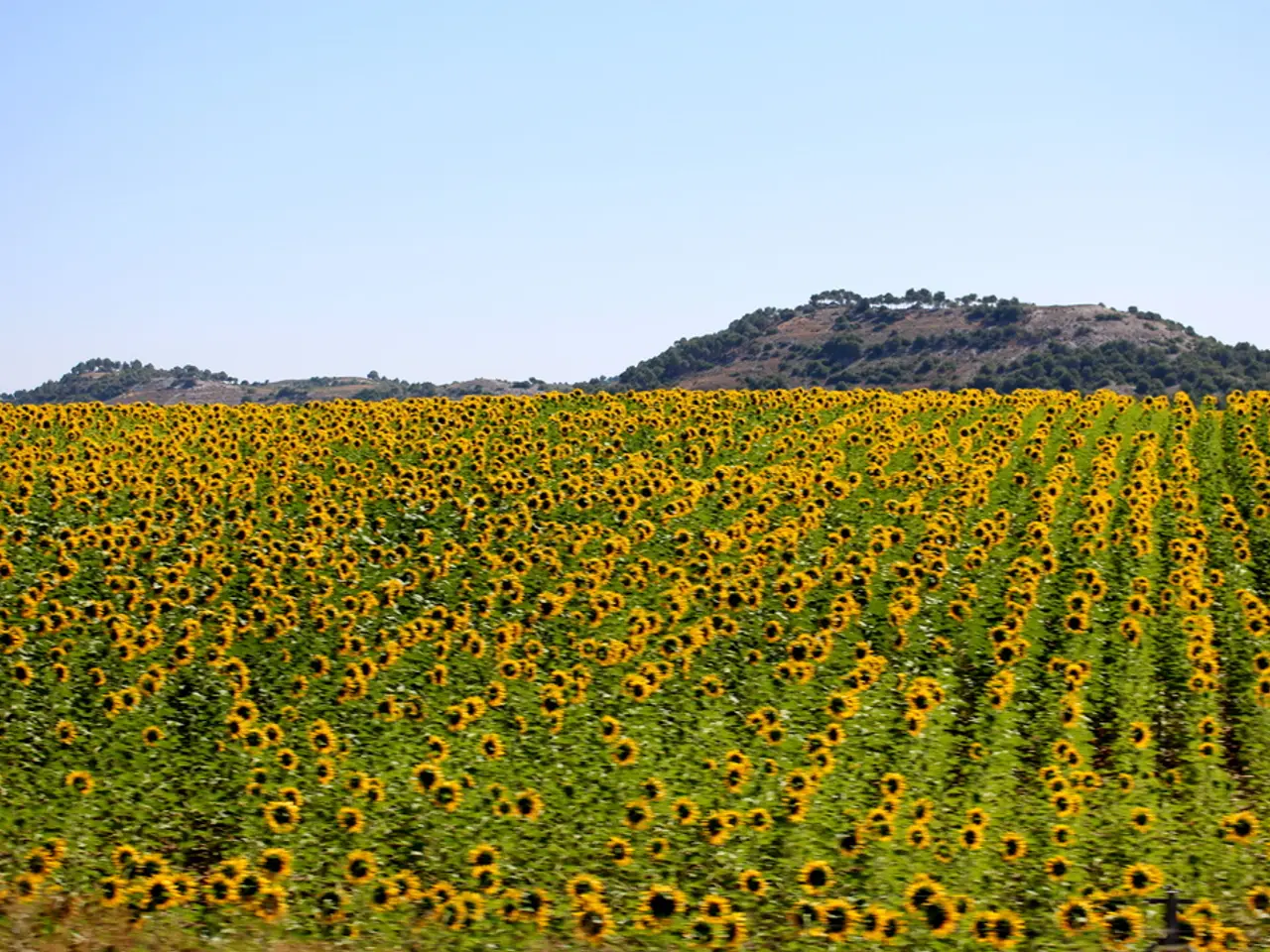
A new law in California is set to transform how the San Joaquin Valley manages its dwindling water supplies. The Valley Clean Infrastructure Plan, backed by Assemblywoman Esmeralda Soria, will repurpose fallowed farmland into solar, battery storage, and transmission sites. The move comes as severe water shortages push thousands of acres out of production each year.
Last year, over 215,000 acres of farmland in the Westlands Water District—the largest agricultural water district in the US—lay idle due to chronic water shortages. With more land expected to fallow, the district is now rolling out a major land-repurposing initiative. The plan aims to concentrate remaining water supplies on the most productive and resilient farmland while offering landowners alternative uses for their properties.
Assemblywoman Esmeralda Soria, who sponsored the enabling legislation (AB 2661), believes the project will bring wider benefits. The law requires the district to develop solar and battery storage facilities alongside a community benefits plan. Soria expects the initiative to create jobs, help farmworkers retrain, and boost economic development in the region.
The water district will assess whether solar facilities should operate under the control of the California Independent System Operator (CAISO). It will also continue working with stakeholders on environmental compliance and a phased approach to development.
The plan seeks to secure the future of farming in the San Joaquin Valley by balancing water conservation with new economic opportunities. By repurposing fallowed land, the district aims to reduce the impact of water shortages while supporting local jobs and clean energy growth. Implementation will proceed in stages, with ongoing input from environmental and community partners.
Read also:
- Going West: Enforcement Edge Is Live From San Francisco For The ABA White Collar Crime Conference
- Vienna and Copenhagen Again Top the World’s Most Livable Cities in 2024
- Global events honor the Baltic Way’s 35th anniversary of peaceful protest
- ADWEEK’s Marketing Vanguard Awards Open as State Farm Debuts Star-Studded NFL Ads